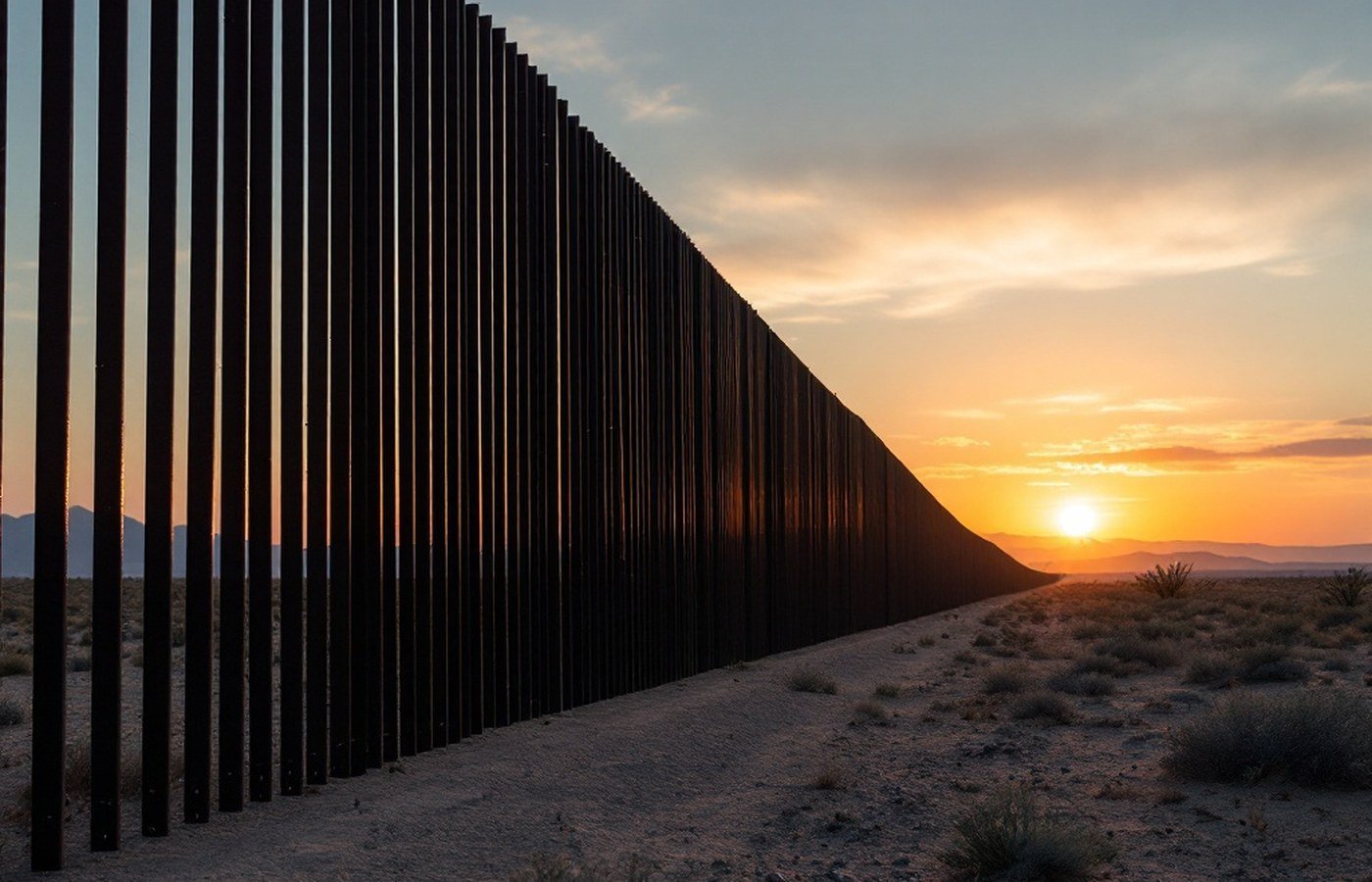
The United States President, Donald Trump, is facing serious backlash for proposing to build a wall along the U.S. southern border. The wall was one of the President’s signature campaign promises — and back then, Trump said Mexico would pay for it.
Today, the picture looks different. Trump is asking Congress to approve $5 billion for the wall — in other words, asking U.S. taxpayers to pay for the ‘wild’ project themselves. When Congress refused to approve the funds, the standoff triggered a government shutdown that dragged on for several weeks, one of the longest in U.S. history.
Sarah Sanders, the White House press secretary, said back in December 2018 that President Trump would likely seek other government funds to pay for the wall. Faced with serious backlash over what many regard as a reckless project, the U.S. government has been trying to explain how, in the end, Mexico will still be the one paying.
Government logic on Mexico funding the wall
“We’re not asking American taxpayers for that. We are looking at existing funding through other agencies right now that we can draw on to do that immediately. The president has been clear that the USMCA deal would provide additional revenue through the deal that would show that Mexico has paid for the wall.” Sarah Sanders — source: The Washington Post
The USMCA is the new trade agreement that replaced the NAFTA deal. It carries new rules on trucks and cars, as well as on intellectual-property protection and labor, and was reached after roughly a year of negotiations between the three countries — the United States, Mexico, and Canada.
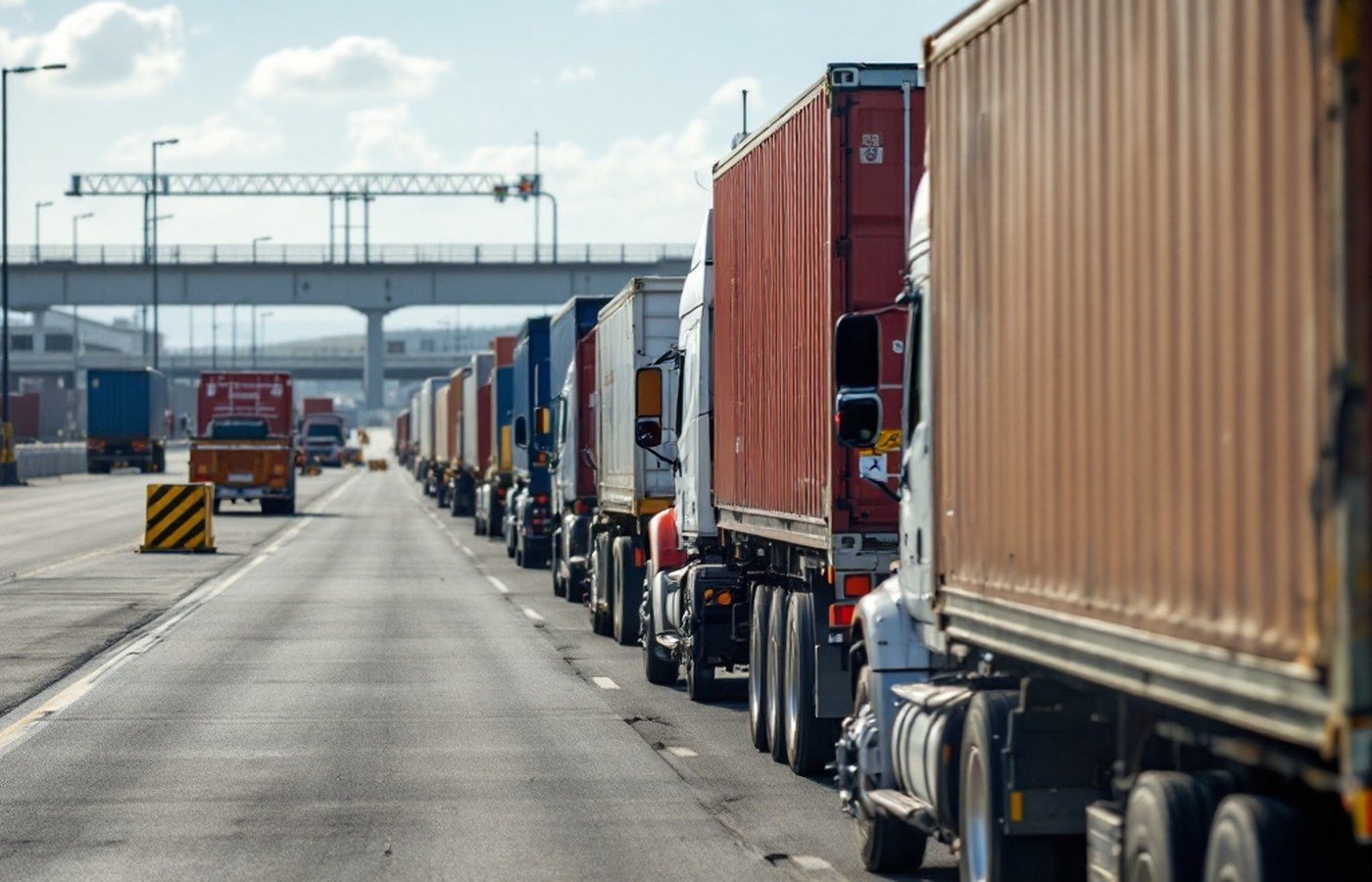
What Trump hopes to achieve with the new deal is to have more truck parts and cars produced in North America. Starting from 2020, a car or truck must have seventy-five percent of its components manufactured in the United States, Mexico, or Canada to qualify for zero tariff — an increase from the previous 62.5 percent.
USMCA at a glance
- Full name
- United States–Mexico–Canada Agreement
- Replaces
- NAFTA (in force since 1994)
- Signed
- November 30, 2018, at the G20 summit in Buenos Aires
- In force
- July 1, 2020
- Parties
- United States · Mexico · Canada
- Official text
- ustr.gov — USMCA
These background facts are provided for context alongside the article; they are not part of the original reporting.
The wall will be funded with money from other agencies
Sanders mentioned that President Trump may look to other agencies to see whether they hold existing funds that could be redirected to the border wall. But this appears to be a desperate attempt to divert taxpayers’ attention from reality.
To break it down: any money in any agency’s coffers is also the taxpayer’s money.
Many Americans immediately took to Twitter to point out exactly that — any suggestion that money in an agency’s coffers is not taxpayer money is either misleading or plain misinformation.
Sanders, however, claims that the new deal will generate 10,000 new jobs for Americans, each with an annual salary of $100,000 — and that this income will, in turn, attract the 18 percent federal tax rate. Philip Bump of The Washington Post carried out the calculation.
Assume every figure lands exactly as Sanders claims — 10,000 jobs, $100,000 salaries, 18 percent federal tax. It would still take America at least 100 years to pay off the debt for the wall.
Irrespective of how much the USMCA deal favors America, it is the taxpayers who are paying for the wall — not Mexico.