
Funding foreign militaries
For years, the United States has spent enormous sums supporting military efforts abroad. Along the way, cash is spent on preparing military uniforms and on counseling and administration. A great deal of that money has streamed into Afghanistan over the years, and the mismanagement of those funds has been a recurring theme. The Special Inspector General for Afghanistan Reconstruction told a story that captures the issue perfectly, and throws light on the kind of useless decision-making that produces such failures.
The forest pattern design
In mid-2017, the Special Inspector General for Afghanistan Reconstruction published a report that pointed to the 2007 procurement process used to acquire uniforms for the entire Afghan Army. The main objective was a common, unifying uniform, and a task force was established to identify a camouflage design that could be used. Despite the fact that the U.S. military already owned a whole range of camouflage patterns that could have been used without spending a cent more, the officials involved essentially went browsing the Internet for options.
The crisis in American governance and the use of public funds goes much deeper than any political platform.
According to the reports, the officials came across a forest-like pattern offered by a privately-owned business. Because the selected design was proprietary and exclusive, every uniform made with it carries an additional fee payable to the rights holder. In spite of that extra charge, the forest pattern was demonstrated to the Defense Minister of Afghanistan, who responded with the words “I love what I am seeing.” The decision to pay for the pattern was made on the spot.
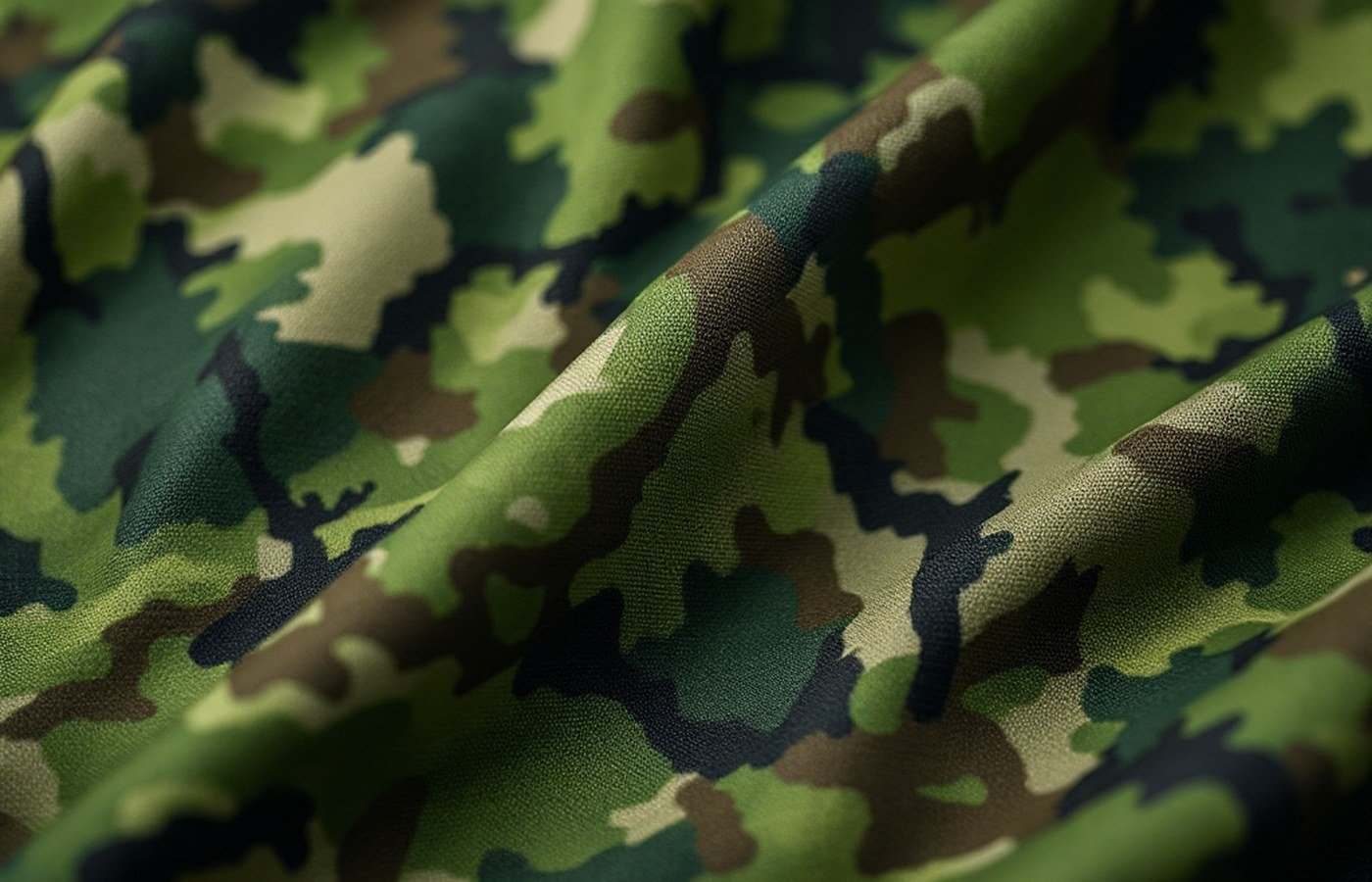
No endeavor was made to consult the actual troops or their leaders. No effort was made to test the camouflage against Afghanistan’s geography to determine its suitability.
Given that only about 2% of the land in Afghanistan is forest, the choice of a forest design seems like a spectacularly poor decision.
Later, in a meeting in the USA, the author of the report put the absurdity plainly: what if the minister of defense had preferred pink, or purple? Are we prepared to purchase pink uniforms for soldiers and not question the move? He dubbed the whole affair crazy and dumb, all over.
“We squandered $28 million of citizens’ cash for the sake of a trend, just because the minister of defense thought the design was lovely. So if he had thought pink or chartreuse was the design to pick — would we have done that?”
The move clearly shows the level of ignorance among the officials involved — and their carelessness with public funds. The crisis in American governance and fund utilization goes much deeper than a political platform: largely, we are in a crisis of policy implementation, with so much going to waste through poor decision-making. The officials should have opted for the resources already available in the U.S. and saved the cash for important and pressing issues — such as the housing sector.